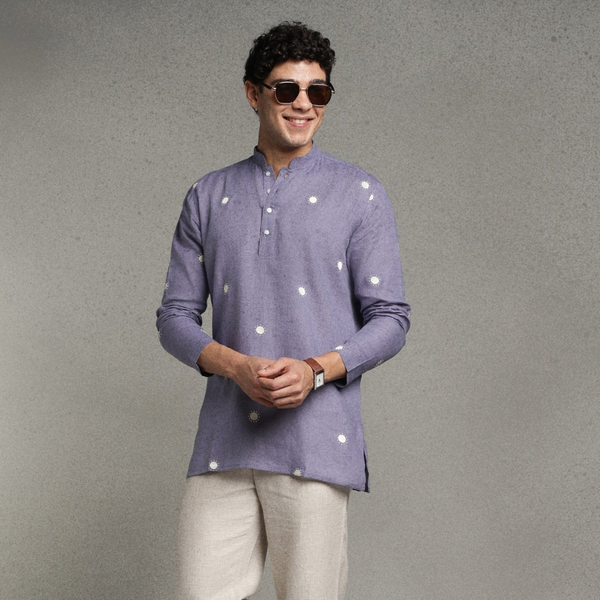
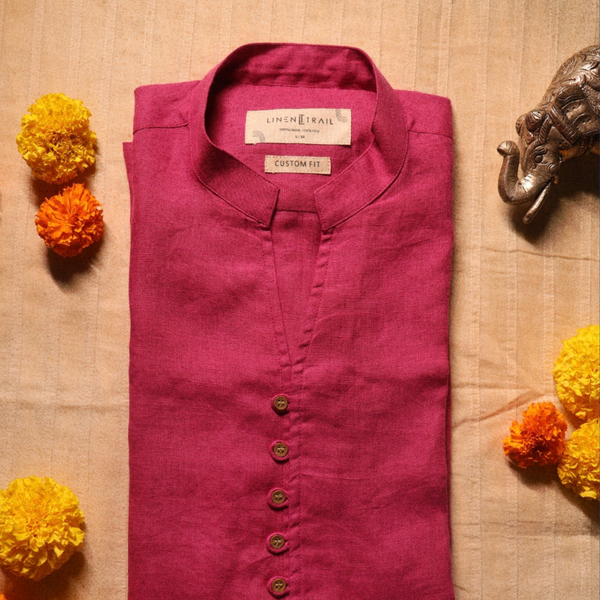
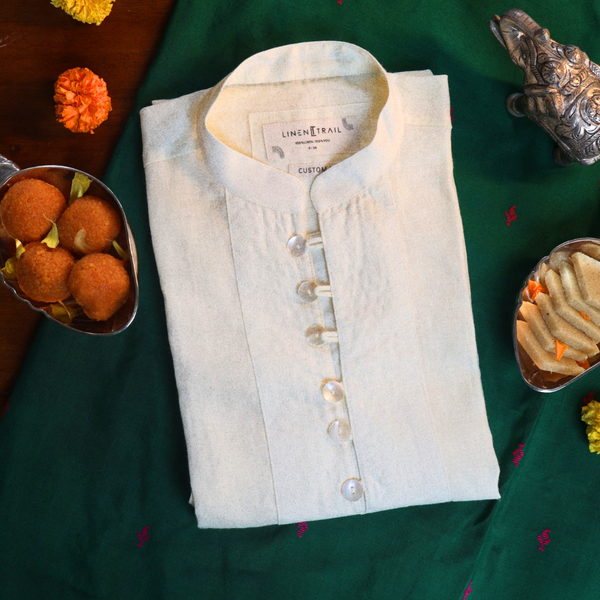
Most spring style guides are written for a climate that doesn't really exist in India. They're built around the idea of "transitional dressing": light knits, packable jackets, something to shed as the day warms up from a cold morning into a mild afternoon. It's a tidy little narrative. It just isn't the one most of us are actually dressing for.
In India, the in-between season doesn't ease as it shows up everywhere at once, in completely different moods. The monsoon starts early down the coastal south, sometimes before March has properly ended. Up north, summer hasn't waited for spring to finish its sentence heatwaves included. The west is hot and thick with a humidity that doesn't read calendars. The northeast gets its own early, heavy rains. And somewhere in the Himalayas, spring is doing the gentle, photogenic thing it's supposed to do everywhere else for about two weeks, before it, too, gives up.
A diverse country with this many seasonal moods running in parallel comes with a lot of terms and conditions attached to "spring wardrobe for men." What you actually need is a wardrobe that performs consistently from a 9am commute through an 8pm dinner without you having to manage it, fuss over it, or negotiate with the weather's mood swings every two hours.
A Spring Wardrobe for Men That Doesn't Mean One Thing in India
Search "spring wardrobe" and you'll get the same advice regardless of whether you're reading it in Mumbai, Delhi, Chennai, or Guwahati as if the same trench coat works in all four. It doesn't, because the brief is never the same. In Chennai, you're already negotiating with humidity by 8am. In Delhi, you're easing out of a cold snap into something that will be punishing by May. In Kolkata and the northeast, the rain has often arrived before the season officially has. And in the hills, the one place actually enjoying a "proper" spring, the rest of the country is sweating through it on their behalf.
This is why menswear for the in-between season can't really be borrowed wholesale from anywhere else. It has to be built around heat as the baseline, with the rare cold spell usually indoors, courtesy of an air conditioner with strong opinions treated as the exception, not the rule.
The Capsule, Built Around Fabric Weight Instead of Layers
The instinct every spring is to solve for temperature swings with more clothing, an extra layer here, a transitional piece there. The more useful approach, and the one that actually holds up across India's version of this season, is to solve for one long stretch of consistent heat with fewer, better-considered pieces.
Something breathable enough for the commute, presentable enough for a desk, and relaxed enough that you've stopped thinking about it by 4pm. This is the piece doing the most work in the rotation, the one you trust without checking the mirror twice. A clean, cut-collar shirt in ecru or white, in full sleeve, does this job without asking for credit. Th Harvey is built for exactly this kind of daily, unglamorous reliability.
Four thoughtfully chosen pieces. Endless ways to wear them.
One trouser that anchors everything. Not so fitted that it turns hostile in the heat, not so loose that it reads sloppy by lunch. Something you could wear to a meeting and a dinner without changing, and without anyone clocking that it's the same trouser either time.
One lighter, half-sleeve option, for the genuinely hot days. The ones where even a full sleeve starts to feel like a decision you're going to regret by lunch.
One slightly heavier outlier, used rarely. Not for cold mornings India's in-between season doesn't really run to those but for the one place that actually runs cold: the over-air-conditioned office, the flight, the unexpectedly chilly evening at altitude. A jacket like the Flux exists for exactly these few, predictable exceptions.
Dressing for India's Monsoon Without Building a Whole New Wardrobe



For a large part of the country, this in-between stretch doesn't stay dry for long. Indian monsoon dressing usually gets treated as its own separate problem, a seasonal scramble involving raincoats, colour anxiety, and footwear nobody is ever fully happy with. It doesn't have to be that complicated.
The honest answer to how to dress for the rainy season, at least from the neck down, is to wear fabric that doesn't hold a grudge against water. Linen dries faster than most fabrics people instinctively reach for in a downpour, which matters more day-to-day than waterproofing ever will for a short dash between an auto and an office door. A heavier cotton or a synthetic blend soaks up rain and gets heavier and clammier as the day wears on.
A genuine monsoon wardrobe for India doesn't need a separate shelf of clothes, just a slightly more deliberate use of the same capsule. Muted, mid-tones hide a stray splash better than stark white does on a bad commute day. Skip anything with a lining that traps moisture against the skin; it defeats the point of wearing something breathable in the first place.
Why This Beats Chasing Seasonal Drops
The instinct every spring is to buy something new: a jacket, a knit, something to "bridge the gap." Depending on where you live, that gap might not exist at all. A tighter, fabric-led capsule wardrobe for spring does the opposite of what the seasonal-drop instinct tells you to do: it assumes the heat and occasionally the rain is the constant, and builds around performing well inside it, rather than constantly layering against it.
It's a smaller wardrobe than most spring style guides recommend, built on a handful of deliberate decisions instead of a rotating cast of jackets you'll wear twice and forget about by June. It's also one you can actually finish getting dressed in under two minutes which, on a hot, possibly damp morning, is most of the point.
A Two-Minute Men's Capsule Wardrobe, Recapped
If you're putting this together for yourself, the shortlist looks something like this:
-
One full-sleeve shirt you'd wear without a second thought, in a colour that survives both sunlight and the odd commute splash.
-
One trouser that works in a meeting and at dinner, without changing
-
One half-sleeve shirt for the days the full sleeve becomes a liability by noon
-
One slightly heavier piece, worn only where the air-conditioning, not the weather, demands it.
That's four pieces doing the work most spring style guides ask twelve to do and none of them sitting around waiting for a season that, in most of India, was never really coming in the first place.
The Linen Trail Promise
Every shirt, trouser, and jacket is crafted from 100% pure linen because comfort should never be temporary. Breathable in the heat, adaptable through changing weather, and designed to soften beautifully over time, our garments are made to become part of your everyday life, not just your seasonal rotation.
A well-built capsule wardrobe isn't about owning less. It's about choosing pieces that work harder, last longer, and make getting dressed effortless. That's the philosophy behind every Linen Trail collection.
Frequently Asked Questions
Q1. What is a men's capsule wardrobe?
A capsule wardrobe is a small collection of versatile, well-made clothing that can be mixed and matched to create multiple outfits with fewer pieces.
Q2. How many pieces should a spring capsule wardrobe include?
For most men, four to eight thoughtfully chosen essentials are enough: a full-sleeve shirt, a half-sleeve shirt, a versatile pair of trousers, and a lightweight jacket for occasional layering.
Q3. Why is linen ideal for India's in-between season?
Linen is naturally breathable, lightweight, and moisture-wicking, making it comfortable across warm days, humid evenings, and changing weather conditions.
Q4. Can linen be worn during the monsoon?
Yes. Pure linen dries faster than many heavier fabrics and remains comfortable even in humid conditions, making it well suited for much of India's rainy season.
Q6. How do I build a versatile linen wardrobe?
Start with neutral colours like white, ecru, ash grey, navy, or olive. These pair effortlessly with one another and work across casual, work, and occasion dressing.
Q7. Does pure linen wrinkle easily?
Yes. Linen naturally develops soft wrinkles that reflect the fabric's relaxed character and authenticity. Many people consider this part of its appeal.
Q8. Will Linen Trail garments shrink after washing?
No. Our garments are pre-washed and crafted to minimise shrinkage while maintaining their fit and softness with proper care.
Q9. How should I care for pure linen clothing?
Wash in cold water using a mild detergent, avoid harsh bleaching agents, and air dry whenever possible. Light ironing while slightly damp helps maintain a crisp finish.