Lea in linen is a yarn-count system used to indicate the fineness of linen yarn. One Lea represents 300 yards of linen yarn per pound. A higher Lea count means a finer yarn, while a lower Lea count indicates a thicker yarn. It is an important measure of linen character, but not a standalone measure of overall fabric quality.
Linen has a language of its own. Beyond colour, weave and weight, you may come across terms such as 40 Lea, 60 Lea, 80 Lea or 100 Lea linen fabric. These numbers describe the fineness of the yarn used to create the cloth.
Understanding what is Lea in linen gives you a more informed way to read a fabric specification. It can help explain why one linen feels more structured while another feels lighter and more fluid. It also gives context to the fabric choices behind different garments.
For a considered wardrobe, these details matter. Quiet luxury is rarely about a visible logo. It is often found in the fabric, the hand-feel, the construction and the way a garment wears over time.
What Is Lea in Linen?
Lea is a traditional linen yarn-count system used to measure yarn fineness. In the standard linen count system, one Lea corresponds to 300 yards of yarn per pound. Therefore, a 40 Lea yarn represents 12,000 yards per pound, while a 100 Lea yarn represents 30,000 yards per pound.
The principle is straightforward:
-
Lower Lea: thicker, heavier yarn
-
Higher Lea: finer, lighter yarn
-
40 Lea linen: a relatively substantial yarn suitable where more structure is desired
-
60 Lea linen: finer and lighter than 40 Lea
-
100 Lea linen: considerably finer, suited to lighter and more delicate applications
This is why the term linen Lea count appears in fabric specifications. It tells you something specific about the yarn before it becomes part of the finished cloth.
It is worth making one distinction clear: Lea is a yarn specification, not a complete quality rating for the finished fabric. Two fabrics with the same Lea count can feel different depending on their weave, yarn construction, finishing, GSM and the quality of the flax used.
How Is Lea Count Calculated?
The linen count is based on the number of 300-yard lengths that weigh one pound.
The simple formula is:
Linen Lea = yards of yarn per pound ÷ 300
For example:
-
40 Lea: 40 × 300 = 12,000 yards per pound
-
60 Lea: 60 × 300 = 18,000 yards per pound
-
80 Lea: 80 × 300 = 24,000 yards per pound
-
100 Lea: 100 × 300 = 30,000 yards per pound
-
150 Lea: 150 × 300 = 45,000 yards per pound
As the number rises, more yards of yarn are contained within the same weight. The yarn therefore becomes finer.
This is the simplest way to understand what is Lea in linen without getting lost in textile terminology.
What Does a Higher Lea Count Mean?
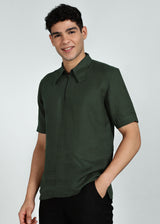

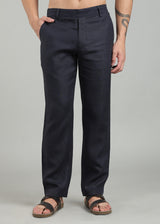

A higher Lea count generally means a finer yarn.
That can influence the character of the resulting fabric, including its weight, handle and drape. Finer yarns can produce a lighter, more refined cloth, while heavier yarns can lend greater substance and structure.
But higher does not automatically mean better.
A 40 Lea linen fabric can be exactly right for a structured garment where coverage and substance matter. A 60 Lea linen fabric may be preferable for a shirt designed to feel lighter against the skin. A 100 Lea linen fabric may suit a more delicate, fluid garment.
The right count depends on the purpose.
That distinction is important when choosing linen for a well-considered wardrobe: the finest specification is not always the most appropriate one.
40 Lea vs 60 Lea Linen Fabric
The difference between 40 and 60 Lea is essentially a difference in yarn fineness.
40 Lea Linen Fabric
A 40 Lea linen fabric uses a thicker yarn than 60 Lea. It can provide a more substantial hand and greater visual coverage, making it useful for garments where a little more structure is desirable.
It can work particularly well for:
-
Structured shirts
-
Everyday garments
-
Garments where coverage matters
-
Pieces intended to retain a more substantial feel
60 Lea Linen Fabric
A 60 Lea linen fabric uses a finer yarn. Compared with 40 Lea, it can feel lighter and more refined, depending on the weave and finishing.
It is well suited to:
-
Lightweight shirts
-
Warm-weather dressing
-
Relaxed tailoring
-
Garments where softer drape is desired
So, is 60 Lea better than 40 Lea?
Not necessarily.
60 Lea is finer. 40 Lea is more substantial. The better choice depends on the garment and the way you want the fabric to behave.
What Is 100 Lea Linen Fabric?
100 Lea linen fabric is made using a significantly finer yarn than 40 or 60 Lea.
Because the yarn is finer, the resulting fabric can have a lighter, more fluid character when combined with an appropriate weave and construction. It is particularly suited to garments and fabric applications where delicacy and drape are valued.
Linen Trail currently offers pure linen fabric in higher Lea counts, including 80s, 100s and 150s Lea.
A useful way to think about it is:
40 Lea → more substance
60 Lea → lighter and finer
100 Lea → very fine and fluid
150 Lea → exceptionally fine yarn territory
The number tells only part of the story. The final experience comes from how that yarn is woven and finished.
How Lea Count Changes the Character of Linen
Lea count can influence several aspects of linen, although it should always be considered alongside weave and construction.
Hand-feel
Finer yarns can create a smoother, lighter hand. Lower-count yarns can retain more visual and tactile substance.
Weight
A higher yarn count can contribute to lighter fabric constructions, although the final fabric weight depends on more than yarn count alone.
Drape
Finer yarns can support a softer, more fluid drape. This can be desirable in shirts and relaxed tailoring.
Coverage
Fabric coverage is influenced by yarn fineness, weave density, colour and construction. A high Lea fabric is not automatically sheer, just as a low Lea fabric is not automatically opaque.
Texture
Linen's natural character remains part of its appeal. The right yarn and weave can preserve that quiet irregularity while creating a refined surface.
This is where linen becomes more interesting than a specification sheet. The numbers explain the yarn. The finished garment reveals the craft.
How Linen Trail Uses Different Lea Counts
Linen Trail's current fabric specifications use different Lea counts across its collections according to the purpose of the garment. The brand states that it uses 25s Lea for bottoms and jackets, 60s and 45s Lea for shirts and T-shirts, and 80s, 100s and 150s Lea for fabric gifting.
Linen Shirts
Linen Trail's current information identifies 45s and 60s Lea for shirts and T-shirts, while the article's earlier product guidance discusses shirt fabrics across approximately 40–80 Lea.
For shirting, the aim is a balance between breathability, structure and ease. A finer yarn can create a lighter hand, while a more substantial yarn can give the shirt greater presence.
The result should feel effortless rather than delicate. That balance is central to good linen shirting.
Linen Kurtas
The existing Linen Trail article identifies 44 Lea for its kurtas, chosen to balance breathability, softness and coverage.
For a kurta, that balance matters. The fabric needs enough substance for confident wear while retaining linen's natural breathability and relaxed character.
Linen Trousers and Bottoms
Linen Trail currently states that 25s Lea is used for bottoms and jackets.
A lower Lea count gives these garments a more substantial yarn, which can be useful when a trouser or jacket needs additional body and structure.
This is a good example of why higher Lea should not automatically be treated as superior. A trouser needs to behave differently from a lightweight shirt.
Linen Jackets
For jackets, Linen Trail's current specification also uses 25s Lea.
Here, the fabric helps support the silhouette while linen retains its characteristic breathability. The result is a layer that can add definition without relying on excessive weight.
Linen Fabric Gift Boxes
For customers choosing linen fabric rather than a finished garment, Linen Trail currently offers 80s, 100s and 150s Lea fabric options.
These higher counts offer finer yarn constructions for those looking to commission or create more delicate garments and accessories.
60 Lea vs 100 Lea vs 150 Lea Linen
When comparing higher Lea fabrics, the distinction is primarily one of yarn fineness.
-
60 Lea: Fine enough for lightweight shirting and refined everyday dressing.
-
100 Lea: Finer still, with potential for a lighter, more fluid fabric character.
-
150 Lea: An exceptionally fine linen yarn specification, suited to applications where delicacy and refinement are valued.
These numbers should not be treated as a ranking system.
A 150 Lea fabric is not automatically the right choice for every garment. A well-made 60 Lea linen can be more appropriate for a shirt that needs structure and everyday durability.
Luxury is not about choosing the largest number.
It is about choosing the right material for the purpose.
Does Lea Count Determine Linen Quality?
No. Lea count is important, but it does not determine the entire quality of linen.
When assessing a linen fabric, consider:
-
Fibre quality and origin
-
Yarn fineness
-
Weave
-
GSM
-
Fabric construction
-
Finishing
-
Colour and dyeing
-
Garment construction
-
Shrinkage and pre-washing
-
Intended use
Linen Trail's own specifications demonstrate this principle. The brand provides different Lea counts across shirts, bottoms, jackets and fabric pieces because different garments call for different fabric characteristics.
For a considered wardrobe, the question should therefore not simply be:
"What is the highest Lea linen I can buy?"
A better question is:
"Which Lea count, construction and finish are right for this garment?"
Why Lea Matters in Quiet Luxury
The appeal of quiet luxury is often found in details that do not announce themselves.
A fine linen shirt does not need a prominent logo to communicate quality. Its character can be felt in the hand, seen in the drape and understood through the fabric specification.
That is why Lea in linen is worth understanding.
It gives you a vocabulary for looking beyond appearance. A 40 Lea cloth, a 60 Lea shirt and a 100 Lea fabric each tell you something about the yarn. The rest of the story lies in the flax, the weave, the finishing and the way the garment has been made.
For Linen Trail, that is where the conversation becomes meaningful: pure linen, considered construction and materials chosen with purpose.
Frequently Asked Questions
Q1. What is Lea in linen?
Lea is a traditional linen yarn-count system used to indicate yarn fineness. One Lea represents 300 yards of linen yarn per pound. A higher Lea count means a finer yarn.
Q2. What does a higher linen Lea count mean?
A higher Lea count means the yarn is finer. It can contribute to a lighter, smoother and more fluid fabric, depending on the weave and finishing.
Q3. Is 60 Lea linen better than 40 Lea linen?
Not necessarily. 60 Lea linen is finer than 40 Lea, while 40 Lea can provide more substance and structure. The appropriate count depends on the garment and intended use.
Q4. What is 40 Lea linen fabric used for?
40 Lea linen fabric can be suitable for garments where a more substantial yarn and greater structure are desirable, including certain shirts and everyday linen clothing.
Q5. What is 60 Lea linen fabric?
60 Lea linen fabric uses a finer yarn than 40 Lea. It can offer a lighter, softer and more fluid character, making it suitable for lightweight clothing such as shirts.
Q6. What is 100 Lea linen fabric?
100 Lea linen fabric is made from a significantly finer yarn than 40 or 60 Lea. It can produce a lightweight, refined fabric when combined with an appropriate weave and finish.
Q7. Does a higher Lea mean better linen?
No. Higher Lea means finer yarn, not automatically better overall fabric. Fibre quality, weave, GSM, finishing, and construction also influence the finished linen.
Q8. Is high-Lea linen suitable for hot weather?
It can be. Fine linen constructions can feel light and breathable, making them suitable for warm climates. The finished fabric's weave and weight also matter.
Q9. What Lea count does Linen Trail use?
Linen Trail currently states that it uses 25s Lea for bottoms and jackets, 45s and 60s Lea for shirts and T-shirts, and 80s, 100s and 150s Lea for fabric gifting.
Q10. Does Lea count affect the price of linen?
It can, but Lea count alone does not determine price. Fibre quality, sourcing, spinning, weaving, finishing and garment construction can all influence the final cost.
Q11. What is the finest Lea count available from Linen Trail?
Linen Trail currently lists 150s Lea among its fabric gifting options.
Q12. Is Lea the same as GSM?
No. Lea measures yarn fineness, while GSM measures the weight of the finished fabric per square metre. They describe different aspects of a textile and should not be treated as interchangeable measurements.