Check the linen composition, yarn count, weave, fabric width, and care instructions before ordering. Calculate the required quantity, review seller policies, and understand how linen may change after washing. These checks help you select fabric suited to your project.
Buying linen fabric online calls for attention to details that photographs cannot fully convey. Yarn count, weave, colour, and finishing all influence how a fabric looks and behaves. For anyone choosing linen for tailored trousers, a summer shirt, or a relaxed jacket, understanding these differences helps avoid disappointing purchases. The right decision begins with knowing what to look for.
For a restrained striped or checked look in tailored trousers or shirts, you can explore the linen check fabric collection.
1. Choosing Linen Fabric Based Only on Product Photos
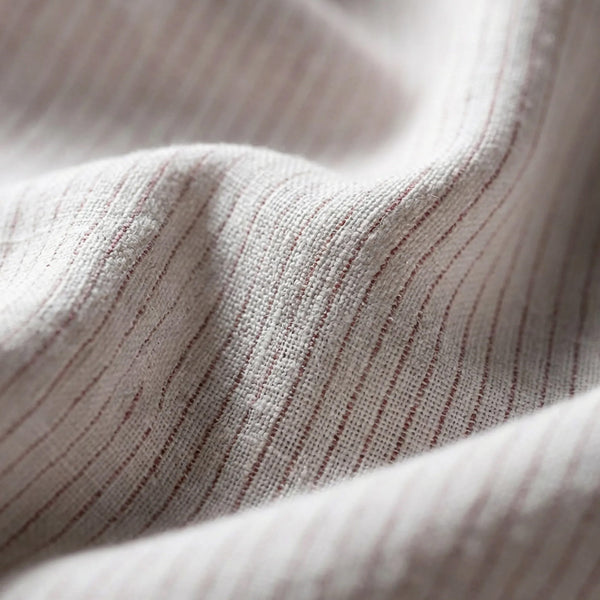
Linen has a natural texture that can appear different under studio lighting, daylight, and indoor conditions. A shade that looks warm on a screen may appear cooler in person. Close-up photographs can reveal the weave, but they cannot reproduce the complete feel of the fabric.
Colour matters particularly when choosing linen for a coordinated wardrobe. Ecru, white, and darker neutrals each create a different effect, whether worn at a destination wedding, during summer travel, or at a private club.
How to avoid this mistake
-
Examine product photographs in different lighting conditions when available.
-
Read the colour description instead of relying on the image alone.
-
Check whether the listing identifies the fabric's composition and finish.
-
Ask the seller for clarification if colour accuracy is essential to your project.
When buying linen fabric online, remember that screen settings can affect colour perception. Allow for small visual differences between a digital image and the fabric delivered.
2. Ignoring Linen Fabric Count and Weight
Yarn count influences the character of linen, but it does not tell the whole story. LEA is a yarn-count measure used for linen. In the conventional linen count system, a higher count indicates finer yarn, all else being equal.
However, yarn count is not the same as GSM, which measures fabric mass per square metre. The finished fabric's weight, thickness, drape, and opacity also depend on its construction and finishing.
Linen Trail's pure linen collection includes 25 LEA, 44 LEA, and 60 LEA options. These provide useful points of comparison when exploring different fabrics, but the count alone should not determine your choice.
How to choose the right specification
-
Consider whether the garment needs structure or a softer drape.
-
Check the listed GSM, if available, rather than inferring it from LEA.
-
Review the fabric width and construction details.
-
Match the specification to the garment pattern and intended season.
A well-considered fabric choice is about how the material will perform in the finished garment, not simply the number printed in its description.
3. Overlooking Fabric Composition and Weave



The word linen should prompt a closer look at the composition. Pure linen is made from flax fibres, while linen-blend fabrics combine linen with other fibres. Both have their uses, but they can differ in texture, drape, care requirements, and appearance.
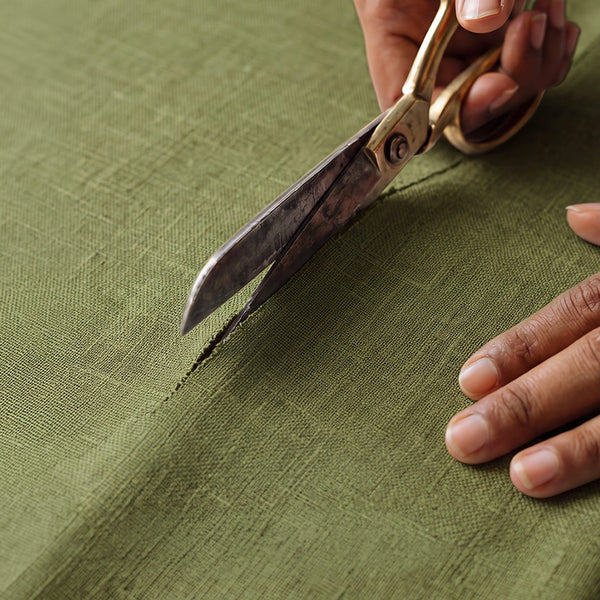
Weave also matters. Plain-weave linen, for example, can have a different surface and structure from patterned or textured constructions. The finish influences the final hand feel, while the weave affects how the fabric behaves during cutting and sewing.
For understated clothing, these details are more important than a product name alone. A restrained striped fabric may suit tailored trousers, while a solid neutral may work better for a simple shirt or a versatile summer jacket.
How to avoid this mistake
-
Confirm the fibre composition on the product listing.
-
Read the description for weave, finish, and other available specifications.
-
Consider the garment's structure before selecting a fabric.
-
Compare relevant options within Linen Trail's pure linen fabric collection.
The objective is to select a fabric that suits the design, rather than expecting every linen to behave in the same way.
4. Ordering Too Much or Too Little Fabric
Fabric quantity depends on more than garment size. Pattern layout, fabric width, sleeve length, trouser cut, and design details can all change the amount required. Stripes and checks may need additional material to align the pattern across seams.
Ordering too little can interrupt a project, especially when a matching fabric batch is no longer available. Ordering too much creates unnecessary waste.
How to calculate the quantity
-
Start with the garment pattern or a tailor's consumption estimate.
-
Confirm the usable fabric width.
-
Allow for seam allowances, hems, pockets, and pattern matching.
-
Check whether the seller measures fabric in metres or uses another selling unit.
-
Confirm the order quantity before checkout.
When buying linen fabric online, do not rely on a universal estimate for a shirt, pair of trousers, or jacket. Two garments of the same size may require different quantities because their patterns and construction differ.
5. Skipping Fabric Quality Checks
A clear product listing should provide enough information to support an informed decision. Photographs alone cannot establish every aspect of fabric quality, and a higher price does not automatically guarantee a better match for your requirements.
Look for clear composition details, yarn count, colour, width, and care information. If the fabric is intended for a tailored garment, these specifications help you judge whether it suits the pattern and desired finish.
What to check before ordering
-
Composition: Verify whether the fabric is pure linen or a blend.
-
Construction: Review the weave and available technical details.
-
Consistency: Check whether the description matches the product photographs.
-
Samples: Ask whether a swatch is available if you need to assess the fabric before committing to a larger order.
-
Support: Clarify missing information with the seller before checkout.
For a significant project, checking a sample can help you assess texture and colour in person. It is a practical step when the fabric's final appearance matters.
6. Forgetting About Shrinkage and Fabric Care
Linen is valued for its natural texture and its ability to soften with use. Its character develops over time, but washing and drying can also change its dimensions. The degree of shrinkage depends on the fabric's construction, finishing, previous treatment, and care conditions.
Do not assume that every linen fabric is pre-washed or pre-shrunk. Nor should you expect every linen to shrink by the same percentage.
How to prepare linen before sewing
-
Read the product's care instructions before cutting.
-
Check whether the fabric has been pre-washed or pre-shrunk.
-
Consider pre-treating the fabric according to its intended use and care requirements.
-
Follow appropriate washing and drying instructions.
-
Allow for possible dimensional changes when planning the finished garment.
These steps are especially useful when making tailored trousers or a fitted shirt, where even modest changes in dimensions may affect the result.
A natural linen fabric can soften through repeated wear and washing. Proper care helps preserve its useful life while allowing its surface to develop a more relaxed character.
7. Ignoring Delivery, Returns, and Seller Policies
The fabric itself is only part of the purchase. Delivery timelines, order accuracy, return conditions, and customer support also matter. A fabric that arrives too late or cannot be exchanged under the seller's terms can complicate a project.
Read the relevant policies before placing an order. Fabric that has been cut to length may be subject to different return conditions from standard merchandise, so never assume that a return will automatically be accepted.
What to confirm before checkout
-
Expected dispatch and delivery timelines.
-
Return and exchange conditions for cut fabric.
-
How damaged or incorrect orders are handled.
-
The final quantity and colour selected.
-
Whether the product description answers your key questions.
When buying linen fabric online, a careful review of these details helps prevent avoidable problems. It also gives you a clearer understanding of what to expect after placing your order.
If you want a heavier, more structured fabric for trousers, the 25 LEA pure linen fabric collection is a good place to compare options.
Your Checklist Before Buying Linen Fabric Online
Before choosing a fabric, take a moment to confirm the essentials:
-
Is the fibre composition clearly stated?
-
Have you compared yarn count and any available GSM details?
-
Does the weave suit the intended garment?
-
Have you checked colour, fabric width, and quantity?
-
Do you understand the care and shrinkage requirements?
-
Have you reviewed the seller's delivery and return policies?
These simple checks bring together the details that influence both the purchasing decision and the finished garment.
Planning a destination wedding look in white or ecru linen? This wedding guest outfit for men guide has useful ideas on colours and styling.
Choose Linen with a Clear Understanding of the Fabric
Good linen begins with an informed choice. The yarn, weave, finish, and care requirements all influence how the fabric behaves, how it feels against the skin, and how it develops through years of wear.
For tailored trousers, a considered summer wardrobe, or a shirt intended for travel, the details deserve attention before the fabric reaches the cutting table.
Explore Linen Trail's Pure Linen Fabrics collection to compare the available colours and 25 LEA, 44 LEA, and 60 LEA options. Review each product's specifications and select a fabric suited to the garment you intend to make.
Frequently Asked Questions
Q1. How can I tell if linen fabric is good quality?
Check the fibre composition, weave, consistency, available specifications, and finishing details. Assess the fabric against your intended use rather than relying on price or photographs alone.
Q2. Can linen fabric shrink after washing?
Yes. Linen can shrink depending on its construction, finishing, and washing conditions. Check the care instructions and whether the fabric has been pre-washed or pre-shrunk.
Q3. Is 100% linen better than a linen blend?
Not in every situation. Pure linen offers the characteristics of flax fibres, while blends can provide different performance and care properties. The right choice depends on the garment and your preferences.
Q4. Will linen fabric become softer over time?
Generally, linen softens with repeated wear and washing. The extent depends on the fabric's construction, finish, and care routine.
Q5. What does LEA mean in linen fabric?
LEA is a yarn-count measure used for linen. A higher LEA count conventionally indicates finer yarn, but it does not independently determine finished fabric weight or thickness.
Q6. Why does linen look different in person than online?
Lighting, camera settings, screen calibration, and the fabric's natural texture can affect how its colour and surface appear in photographs.
Q7. How much linen fabric do I need for trousers?
The amount depends on waist and leg measurements, the trouser pattern, fabric width, and design details. A tailor or pattern consumption guide can provide a more accurate estimate.
Q8. What should I check before buying linen fabric online?
Confirm composition, yarn count, weave, colour, width, quantity, care instructions, delivery timelines, and return conditions before completing your purchase.