When buying linen fabric online in India, check the fibre composition, LEA count, GSM, fabric width, colour, weave, and intended use. Compare product specifications, calculate the required length with your tailor, and review shipping and return policies before ordering. These checks help you choose linen suited to your garment and budget.
Buying linen fabric online in India becomes easier when you understand the details behind each product. From lightweight shirting to structured trouser and suiting fabrics, the right choice depends on more than colour or price. Linen Trail offers pure linen options with different specifications, helping you explore fabrics for your next tailoring project. Here is what to check before you order.
Check Whether the Fabric Is 100% Pure Linen
The first step when buying linen fabric online in India is to verify its fibre composition. Pure linen is made from flax fibres, while linen blends combine linen with other fibres, such as cotton. Both can be useful, but they offer different characteristics.
Before placing an order, check:
-
Fibre composition: Look for a clear statement specifying whether the fabric is 100% linen or a blend.
-
Product description: Review the material details rather than relying solely on the product name.
-
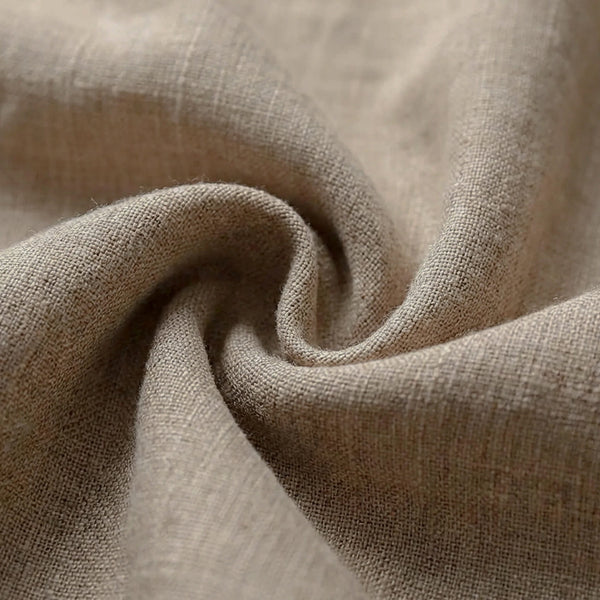
Texture and weave: Examine close-up photographs to understand the fabric's appearance and construction.
-
Supporting information: Look for relevant certification or sourcing details if these are important to your purchase.
For example, Linen Trail's White – 60 LEA Pure Linen Fabric is 100% linen. Checking the composition helps you understand exactly what you are purchasing.
Remember that natural slubs, wrinkles and a textured surface are common characteristics of linen, but none of these features alone proves fibre purity.
For lightweight shirting, you can explore the 60 LEA pure linen fabric collection, which features finer yarns and a softer drape.
Understand LEA Count Before Choosing Linen
LEA count is an important specification when comparing linen fabrics. It relates to yarn count and helps indicate yarn fineness. In general, a higher LEA count corresponds to finer yarn, while a lower count typically indicates coarser yarn.
However, LEA count does not determine fabric quality by itself. Weave construction, finishing, weight and intended use also matter.
Consider these points:
-
Higher LEA counts: Often associated with finer yarns and a more refined fabric appearance.
-
Lower LEA counts: Generally associated with thicker yarns and a more substantial texture.
-
Garment requirements: Choose a count according to the desired drape, structure and finish.
-
Other specifications: Compare LEA count alongside GSM and fabric width.
Linen Trail's White – 60 LEA Pure Linen Fabric is an option to explore for shirting, while Slow Green – 25 LEA Pure Linen Fabric offers a heavier alternative for structured garments.
Instead of choosing the highest number automatically, consider how the fabric will perform in the garment you intend to make.
If you are planning tailored trousers, the linen trouser fabric collection has options with the structure and weight that trousers need.
Compare GSM, Weight and Thickness


GSM stands for grams per square metre. It measures fabric weight and provides a useful starting point when comparing linen options.
A lightweight linen may work well for shirts and garments requiring a softer drape. A heavier fabric may provide more structure for trousers, jackets and suits. The best choice depends on the construction and the intended design.
When comparing specifications, consider:
-
Lightweight linen: Often suitable for shirts and relaxed garments where a lighter feel is preferred.
-
Medium-weight linen: Can offer a balance of drape and structure, depending on the weave.
-
Heavier linen: May suit tailored trousers, jackets, and other garments that require greater body.
Linen Trail's White – 60 LEA Pure Linen Fabric is at 123 GSM, while Slow Green – 25 LEA Pure Linen Fabric is at 235 GSM.
These examples illustrate how different weights can serve different tailoring needs. Neither higher nor lower GSM automatically means better quality. Consider the fabric's construction, opacity, intended use, and care requirements before deciding.
Check Fabric Width and Calculate the Required Length
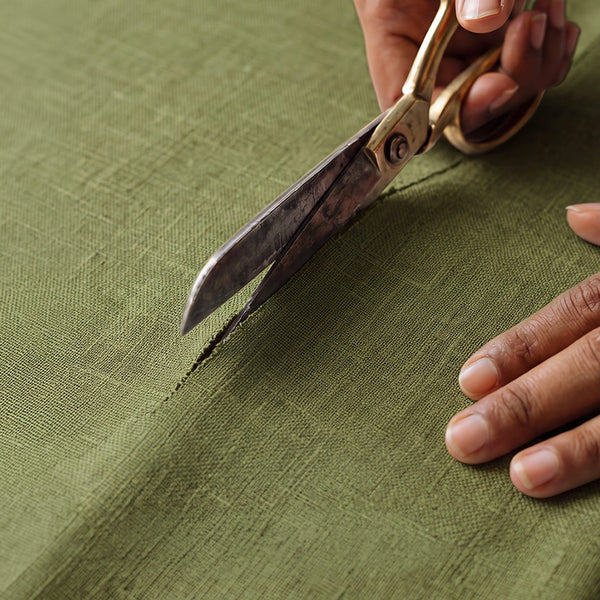
Fabric width affects how much material you need for a garment. Before buying linen fabric online, confirm the width on the product page and discuss your requirements with your tailor.
A fabric that is wide enough for one pattern may require a different quantity for another design, especially when the garment includes long sleeves, wide legs or additional panels.
Check these details before ordering:
-
Fabric width: Confirm the stated width, usually in inches or centimetres.
-
Garment measurements: Consider chest, waist, sleeve and garment length.
-
Design details: Account for pleats, pockets, collars and other construction elements.
-
Pattern placement: Allow additional material if matching stripes or other patterns is necessary.
-
Tailoring advice: Ask for a consumption estimate before purchasing.
Both the White – 60 LEA Pure Linen Fabric and Slow Green – 25 LEA Pure Linen Fabric at 58 inches wide.
Always calculate your fabric requirement using the specific garment pattern rather than relying on a universal length estimate.
Ordering fabric for an upcoming festival? Our guide to the Diwali outfit for men can help you pick the right fabric and style before you head to your tailor.
Examine Colour, Texture and Weave Details
Buying fabric through a screen means you cannot inspect its actual texture before ordering. Detailed product photographs and specifications therefore become important decision-making tools.
Before choosing a colour or finish, review:
-
Colour accuracy: Compare the written colour description with all available product images.
-
Weave consistency: Look for close-up views that show the fabric's construction.
-
Natural texture: Understand that linen may have characteristic slubs and slight variations.
-
Surface finish: Check whether the fabric appears smooth, textured or visibly structured.
-
Photography limitations: Remember that lighting and screen settings can affect how colours appear.
For instance, white linen may look warmer or cooler under different lighting conditions. Product images are useful for assessing appearance, but they cannot guarantee an exact colour match.
If colour matching is essential for your project, review the product information carefully and ask the retailer for clarification before ordering.
Choose Linen According to Your Garment
The best linen fabric depends on what you plan to make. A fabric that works beautifully for a shirt may not provide the structure you want for tailored trousers.
Here is a practical guide:
-
Shirts: Consider finer linen yarns and a weight that provides the desired drape and opacity.
-
Trousers: Look for sufficient structure and a weight suitable for the intended fit.
-
Jackets and suits: Consider the garment's construction, lining requirements, and desired silhouette.
-
Custom projects: Match the fabric's width and specifications to your tailor's pattern.
Linen Trail's White – 60 LEA Pure Linen Fabric is a suitable product to explore when shopping for shirting material. For a more substantial option, Slow Green – 25 LEA Pure Linen Fabric is for trousers, jackets, and suits.
The key is to select fabric based on the finished garment rather than appearance alone.
Stitching an outfit for a family function? Take a look at this wedding guest outfit for men guide for ideas on colours and styles that work well in linen.
Understand How Linen Fabric Is Sold
When buying linen fabric online in India, check whether the product is sold by the metre or offered in a ready length for a particular garment.
Buying by the metre is useful for custom tailoring, coordinated outfits, and projects that require a specific quantity. Ready lengths can be convenient when the fabric consumption matches your measurements and design.
Linen Trail's Slow Green – 25 LEA Pure Linen Fabric offers per-metre purchasing, as well as ready trouser lengths:
-
1.5 metres: Listed as a ready trouser length for waist sizes 30–34.
-
2 metres: Listed as a ready trouser length for waist sizes 36–38.
These are product-specific guidelines, not universal measurements for every garment or wearer. Confirm the details on the product page and check with your tailor if your design requires extra material.
Review Shipping, Returns and Seller Information
Before completing your purchase, review the retailer's current policies. Clear product specifications and transparent order conditions help you understand what to expect.
Check the following:
-
Estimated dispatch and delivery timelines.
-
Shipping charges and any applicable conditions.
-
Return and exchange eligibility.
-
The process for reporting damaged or incorrect items.
-
Customer support details and order confirmation information.
Read the applicable terms before ordering, especially if the fabric is intended for an upcoming event or a time-sensitive tailoring project.
Keep your order confirmation until the purchase is complete, and allow sufficient time for delivery, cutting, and stitching.
Your Final Linen Fabric Buying Checklist
Before you place your order, make sure you have checked:
-
Fibre composition and purity claims.
-
LEA count and GSM.
-
Fabric width and weave.
-
Colour, texture and product photographs.
-
Suitability for your intended garment.
-
Required length and tailoring consumption.
-
Available purchasing options.
-
Shipping, returns and exchange policies.
Following this checklist makes buying linen fabric online in India more straightforward and helps you choose a material that suits your project, preferences and budget.
Find Your Next Pure Linen Fabric at Linen Trail
Choosing linen becomes easier when you understand the specifications behind the fabric. By checking fibre composition, LEA count, GSM, width and intended use, you can make a more informed choice for your next tailoring project.
Explore Linen Trail's Pure Linen Fabrics collection to discover options for shirts, trousers, jackets, suits and custom garments. Compare the available specifications, choose the appropriate length and find fabric that aligns with your design and tailoring needs.
Explore the collection at Linen Trail and choose the right pure linen fabric for your next creation.
Frequently Asked Questions
Q1. How can I identify good-quality linen fabric online?
Check fibre composition, LEA count, GSM, weave, fabric width and finishing. Review the product specifications and available photographs rather than judging quality by texture alone.
Q2. Can I buy pure linen fabric by the metre?
Yes. Some retailers offer pure linen by the metre for custom tailoring. Check the available purchasing options and calculate your required length before ordering.
Q3. Is higher LEA count always better for linen?
No. A higher LEA count generally indicates finer yarn, but the best option depends on the intended garment, fabric construction and desired finish.
Q4. Will heavier linen fabric be more durable?
Not necessarily. Durability depends on fibre quality, yarn, weave and finishing, not weight alone. Choose GSM according to the garment's requirements.
Q5. What GSM is best for linen shirts?
The suitable GSM depends on the desired drape, opacity and construction. Compare fabric specifications and consider how the finished shirt should look and feel.
Q6. Why does linen fabric wrinkle so easily?
Linen fibres have relatively low elasticity, so creases can form during wear and movement. Wrinkling is a common characteristic of linen, although the extent varies by fabric construction and finishing.
Q7. How much linen fabric do I need for trousers?
The quantity depends on waist size, leg length, fabric width, pattern and design details. Ask your tailor to calculate the required length before ordering.
Q8. What should I check before buying linen fabric online in India?
Verify fibre composition, LEA count, GSM, width, colour, intended use, required quantity and the retailer's shipping and return policies.